

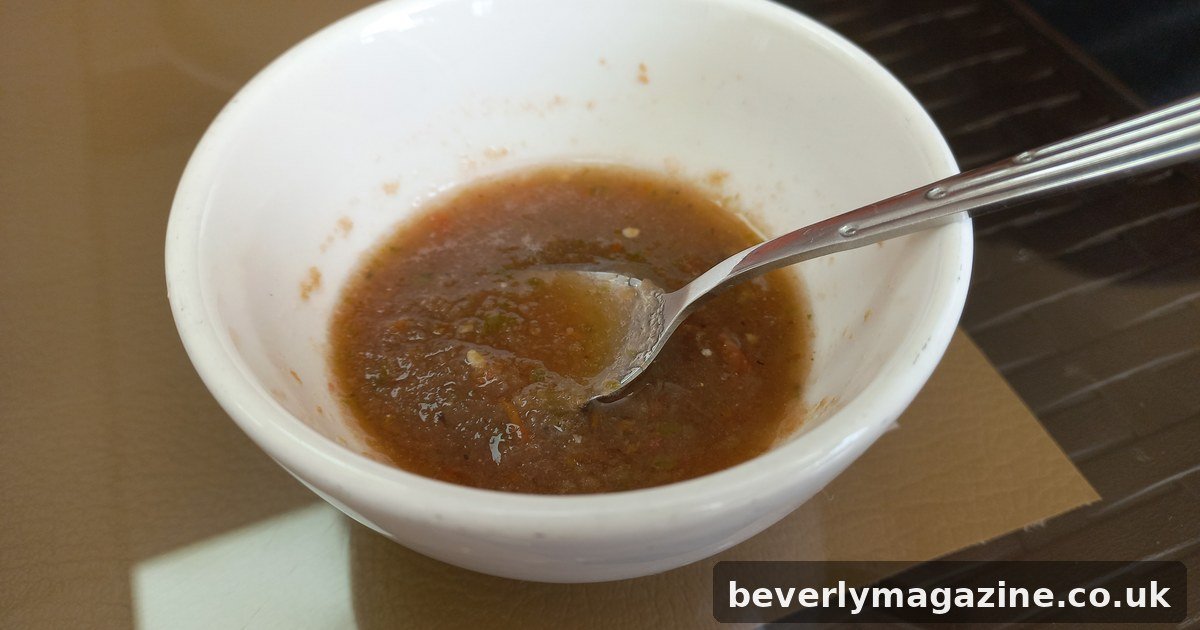
In Bolivia, no meal is complete without it. A small bowl of fiery red sauce sits at the center of nearly every table — spooned over soups, drizzled on grilled meats, dabbed onto empanadas. That sauce is llajwa, and if you are searching for the best llajwa salsa near me, you are hunting one of South America’s great condiments: simple, ancient, and unapologetically hot.
Llajwa (also spelled llajua, pronounced “lyah-wah”) is far more than a hot sauce. It is a cornerstone of Bolivian identity, made the same way for generations. This guide explains what it is, what makes an outstanding version, and how to find the real thing near you.
What Is Llajwa Salsa?
Llajwa is Bolivia’s national hot sauce: a coarse, vibrant salsa traditionally made from just a few ingredients — ripe tomatoes, locoto peppers, salt, and quilquiña (a pungent native herb) or cilantro. The ingredients are ground together, classically on a batán — a large, flat Andean grinding stone — which gives the salsa its characteristic rustic, slightly chunky texture.
The locoto is what makes llajwa special. It is a hot pepper native to the Andes, related to the rocoto, with a fierce heat comparable to a habanero and distinctive black seeds. Unlike the jalapeños and serranos common in North American salsas, locoto has a fruity, almost floral pungency that defines llajwa’s flavor — this is not generic heat, but heat with personality.
The traditional herb, quilquiña, is equally distinctive: a wild Andean green with a flavor somewhere near cilantro but more bitter, more resinous, more wild. Outside Bolivia it is nearly impossible to find fresh, so expatriate cooks substitute cilantro — a respectable stand-in, though Bolivians will tell you it is not quite the same.
Llajwa accompanies the majority of Bolivian dishes. It is spooned over charquekán (dried beef with corn and potatoes), served alongside soups and grilled meats, and offered with practically everything that comes out of a Bolivian kitchen. In Bolivia, asking for llajwa is like asking for salt — it is simply assumed to be there.
What Makes a Great Llajwa Salsa?
With so few ingredients, quality is everything. Here is what separates exceptional llajwa from a forgettable chili paste:
1. Fresh, ripe tomatoes
Tomatoes are the body of the salsa, and they must be fully ripe — deep red, fragrant, juicy. Underripe or out-of-season tomatoes produce a flat, acidic sauce no amount of chili can rescue. The best llajwa tastes first of sweet, sun-ripened tomato, with the heat blooming a moment later.
2. Real locoto heat
Authentic llajwa is genuinely hot — that is the point. The locoto should deliver a bright, fruity burn that builds rather than a harsh, one-dimensional scorch. A great llajwa makes your lips tingle and your forehead glow, but you can still taste the tomato and herbs underneath. If a “llajwa” is mild enough to eat by the spoonful without noticing, it is not the real thing (or it was made for timid palates).
3. The right texture
Traditionally stone-ground on a batán, proper llajwa is coarse and rustic — not a smooth purée. You should see flecks of pepper skin and tomato, feel a little body on the spoon. Over-blended, baby-food-smooth salsa loses the handmade character that defines the condiment. Some modern kitchens use a blender, which is fine, as long as they stop before it turns to liquid.
4. Balanced salt, fresh herbs
Salt should sharpen the flavors, not dominate them. And the herbal note — whether from true quilquiña or fresh cilantro — should be present and green-tasting, a fresh counterpoint to the heat. Wilted, brownish herbs or a dull, oxidized color suggest the salsa was made days ago.
5. Made fresh, served fresh
Llajwa is at its best within a day of making. Fresh-ground salsa has a vivid color and a lively, almost effervescent flavor that fades with time. The best Bolivian kitchens make it daily — sometimes to order. If you are offered llajwa from a squeeze bottle of uncertain age, manage your expectations.
How to Find the Best Llajwa Salsa Near You
- Find Bolivian restaurants. This is the essential step — llajwa is a Bolivian specialty, and the best versions come from Bolivian kitchens. Search for Bolivian restaurants in your area; they are less common than Mexican or Peruvian spots, but they exist in most large cities, often in Latin American neighborhoods.
- Ask if the llajwa is house-made. This single question tells you almost everything. House-made, fresh-daily llajwa is the gold standard. If it comes from a jar or bottle, it can still be decent, but it will not touch the fresh-ground version.
- Ask about the peppers. A kitchen proud of its llajwa will happily tell you it uses locoto (sometimes spelled “locoto” peppers). If they mention grinding it fresh or using a batán-style preparation, you have found something special.
- Judge by the color and texture. Good llajwa is a vivid red-orange with visible texture — not brown, not watery, not suspiciously uniform. It should look alive.
- Start with a small taste. Real llajwa is hot. If you are new to it, taste a dab first before committing. A good restaurant will respect your caution — and a great llajwa will win you over even through the burn.
- Explore Bolivian markets and food stalls. Latin American markets sometimes stock Bolivian products, and food stalls at cultural festivals often serve the most authentic, home-style llajwa — made by cooks who learned it from their grandmothers.
- Do not confuse it with Mexican salsa. If a restaurant serves you something labeled llajwa that tastes like standard red table salsa — heavy on cumin and lime, mild heat — it is not the Bolivian original. True llajwa is tomato, locoto, salt, and herbs: simpler, hotter, and more distinctive.
Frequently Asked Questions
How spicy is llajwa?
Properly made llajwa is genuinely hot — the locoto pepper delivers heat comparable to a habanero. That said, heat levels vary by batch and by kitchen: some versions are a warm glow, others are a full forehead-sweat experience. If you are heat-sensitive, taste a small amount first and use it sparingly.
What is the difference between llajwa and Mexican salsa?
They share a tomato-and-chili foundation, but llajwa is defined by its specifically Bolivian ingredients: locoto peppers and quilquiña herb, stone-ground into a coarse texture. Mexican salsas typically use jalapeños, serranos, or dried chiles with cumin, lime, and onion — a different flavor family entirely. Llajwa is also almost always served as a table condiment rather than a dip.
What is locoto?
Locoto (also spelled lucoto, related to rocoto) is a hot pepper native to the Andes, with thick walls, a fruity aroma, and black seeds. It is one of the few domesticated pepper species native to South America and has been cultivated in Bolivia for centuries. Its heat is significant — roughly in habanero territory — with a distinctive flavor no other chili quite matches.
What is quilquiña?
Quilquiña is a wild herb native to the Bolivian Andes, traditionally used in llajwa. Its flavor is often described as similar to cilantro but stronger, more bitter, and more resinous. It is very difficult to find fresh outside Bolivia, which is why most recipes made abroad substitute cilantro.
How long does llajwa keep?
Fresh llajwa is best eaten within a day or two of making — its vivid flavor and color fade with time. Refrigerated in a sealed container, it will keep for several days, though the texture may separate (just stir it). For food safety with a fresh, uncooked salsa, do not keep it longer than about a week, and discard it if it smells off or ferments.
Is llajwa vegan and gluten-free?
Yes — traditional llajwa contains only tomatoes, peppers, herbs, onion, and salt, making it naturally vegan and gluten-free. It is one of the simplest condiments in the world, which is exactly why ingredient quality matters so much.
More Andean flavors: our guides to the best seco de cordero near you and the best ajiaco colombiano near you.
The Bottom Line
The best llajwa salsa near me is the one made fresh, ground coarse, and built on real locoto heat — the kind that arrives in a small bowl at a Bolivian table and transforms everything it touches. Find a Bolivian restaurant, ask whether the llajwa is house-made, and do not be shy about the heat. It is not just a condiment; it is Bolivia in a bowl — bold, rustic, and unforgettable.
