

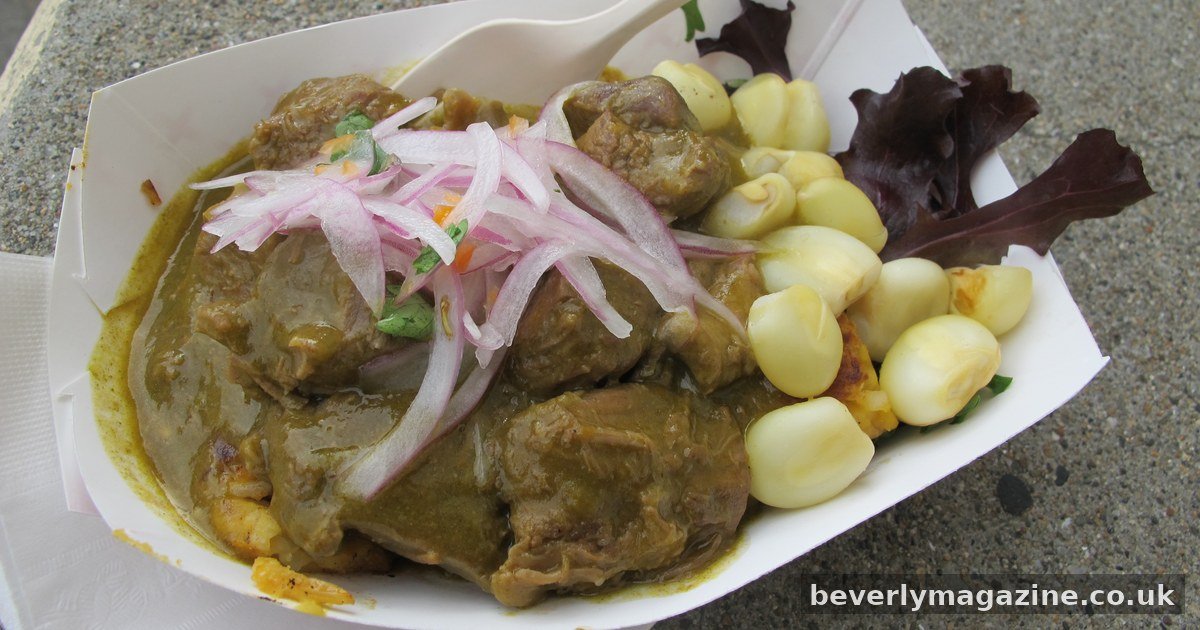
If you’re searching for the best seco de cordero near me, you’ve got good taste and a slightly harder quest than most dinner plans. Seco de cordero — Peru’s slow-cooked lamb stew in a vivid green cilantro sauce — is one of the great comfort dishes of South American cooking, but outside Peru it’s far less common than ceviche or lomo saltado. That makes finding a great version feel like a small victory. This guide covers what the dish is, what an excellent one tastes like, and exactly where to look for it in your area.
Don’t let the name confuse you: seco means “dry” in Spanish, but the stew is anything but. The name refers to the cooking method — the lamb is simmered slowly until it drinks in the surrounding juices and the liquid reduces to a rich, clinging sauce. What arrives at the table is deeply savoury, aromatic, and generously saucy, usually spooned over white rice with potatoes soaking up everything else.
What is seco de cordero?
Seco de cordero is a traditional Peruvian lamb stew, typical of the country’s north though eaten all over Peru. Its most striking feature is its colour: a deep, appetising green that comes from an abundance of fresh cilantro (coriander leaf), blended into the cooking liquid. Around that base, the stew builds layers of flavour from garlic, onion, cumin, and Peru’s essential ají chillies — typically ají amarillo (yellow) and ají panca (red) pastes — with the lamb marinated and braised in something acidic: traditionally chicha de jora, a fermented corn beer, though many modern recipes use regular beer or vinegar.
The dish carries centuries of history in the pot. Its roots trace back to Moorish-influenced Spanish cooking brought to Peru during the colonial era — some food writers describe it as a Peruvianised descendant of the Moroccan lamb tagine — fused with Andean ingredients and techniques. That blend of worlds is precisely what Peruvian cuisine is famous for, and seco is one of its clearest examples.
Seco isn’t only lamb. The same green sauce and method appear across Peru with different proteins: seco de res (beef) is the everyday version you’ll find at inexpensive lunch counters and in home cooking, seco de cabrito (goat) is the pride of northern Peru’s Chiclayo-style restaurants, and seco de pollo (chicken) is another common variant. Cordero — lamb — sits at the more traditional, special-occasion end of the family.
On the plate, seco de cordero is almost always served with fluffy white rice and chunks of potato cooked in the stew itself, and sometimes with beans. A small dish of ají chilli sauce on the side is customary — in Peru, the little pot of ají accompanies nearly every meal, and seco is no exception.
What makes a great seco de cordero?
A mediocre seco is brownish, one-note, and forgettable. A great one is unmistakable. Here’s what to look for.
Lamb that’s genuinely tender
This is a slow-cooked stew, so there’s no excuse for chewy meat. The lamb — often shoulder or shank — should yield easily to a fork after its long braise in the cilantro-beer broth. If you’re fighting the meat, it was rushed. Tenderness is the first and most basic test.
A vibrant green, cilantro-forward sauce
The signature of seco is that green sauce, and it should taste unmistakably of fresh cilantro — not as a garnish, but as the backbone of the dish, blended by the handful into the braising liquid. A great seco is fragrant and herbal; a dull, brown, or timidly seasoned one suggests the cook skimped on the cilantro or let it cook so long the freshness died. Colour is a rough guide: vivid green means the cilantro went in with confidence.
Real ají character, balanced heat
Ají amarillo and ají panca give seco its distinctive Peruvian depth — fruity, earthy warmth rather than blunt spiciness. You should be able to taste the chillies’ fruitiness behind the heat. The stew itself is usually only moderately spicy; the serious heat comes from the ají sauce served alongside, which you add to taste. If a version has no chilli character at all, it’s been toned down past recognition.
A proper braise, not a boiled dinner
Technique matters: the lamb should be browned first for depth, then simmered low and slow in the cilantro-chilli liquid until the sauce thickens and clings. The “seco” method — reducing until the meat has absorbed the juices — is what concentrates the flavour. A watery, thin broth with pale meat floating in it is a sign the pot never got the time it needed.
Served the traditional way
Presentation tells you about the kitchen’s intentions. Proper seco de cordero comes with white rice (for soaking up the sauce), potatoes in the stew, and ají on the side. A restaurant that serves it this way understands the dish; one that plates it like a French navarin may be talented, but you’re not getting seco.
How to find the best seco de cordero near you
Seco de cordero is a dish you have to hunt with intent. Here’s how to do it efficiently:
- Target Peruvian restaurants, especially traditional and northern-style ones. Search “Peruvian restaurant near me” and scan menus for “seco” — it may be listed as seco de cordero, seco de res, or just “seco.” Restaurants that describe themselves as specialising in northern Peruvian or criollo (creole) cooking are your best bet; ceviche-focused spots are less likely to carry it.
- Look for lunch menus and weekend specials. Seco is classic comfort food, so it often appears as a lunch special (menú) rather than on the dinner menu, and some places only make it on weekends. Check social media pages, where daily specials get posted, before you visit.
- Ask the right questions. A quick call works wonders: “Do you serve seco de cordero? Is it made with fresh cilantro and ají?” A kitchen that lights up describing it is a kitchen that cares. If they offer seco de res but not cordero, try the beef version — the sauce and technique are the same, and it’s often excellent.
- Check Latin American grocery stores and food trucks. In cities with a Peruvian community, prepared-food counters and food trucks sometimes serve seco on rotation. The portions are generous, the prices are fair, and the cooking is usually home-style in the best sense.
- Read reviews for the sauce, not just the meat. When scanning reviews, look for mentions of the green cilantro sauce specifically — diners who name it tend to know what they’re talking about. Photos help too: look for that vivid green colour and rice-and-potato plating.
- Try Peruvian festivals and cultural events. Community festivals are where traditional dishes like seco appear in their most authentic form, cooked in quantity by people who’ve made it hundreds of times.
Seco de cordero FAQs
Why is it called “seco” if it’s a stew?
Seco means “dry” in Spanish, and the name describes the cooking method, not the result. The meat is simmered slowly until it absorbs the flavourful juices and the liquid reduces down to a thick, clinging sauce — “dried out” relative to a soupy stew, but still rich and saucy on the plate.
What does seco de cordero taste like?
Deeply savoury and aromatic: tender lamb in a fragrant green sauce dominated by fresh cilantro, with earthy cumin, garlic, and the fruity warmth of ají chillies underneath. It’s hearty without being heavy, and the rice and potatoes make it a complete, comforting meal.
Is seco de cordero spicy?
Moderately. The ají chillies give it warmth and fruity depth rather than aggressive heat. The stew itself is usually approachable, and extra heat comes from the ají sauce served on the side — you control how spicy your plate gets.
What’s the difference between seco de cordero, seco de res, and seco de cabrito?
Same sauce and method, different meat: cordero is lamb, res is beef, cabrito is goat. The lamb version is the most traditional; beef is the common everyday version; goat is the speciality of northern Peru, particularly around Chiclayo.
What is chicha de jora, and does it matter?
Chicha de jora is a traditional Peruvian fermented corn beer, and it’s the classic acidic braising liquid for seco — its mild sourness tenderises the meat and adds a subtle fermented depth. Many restaurants outside Peru substitute regular beer or vinegar, which gets close enough that most diners won’t notice the difference.
Can I make seco de cordero at home without Peruvian ingredients?
Largely, yes. Cilantro, cumin, garlic, onion, beer, and potatoes are available everywhere; the harder items are ají amarillo and ají panca pastes, which Latin American grocery stores and online shops usually stock. In a pinch, a fruity fresh chilli plus a little smoked paprika approximates the character — not identical, but in the right spirit.
More Andean and Latin flavor: our guides to the best llajwa salsa near you and the best ajiaco colombiano near you.
The takeaway
The best seco de cordero near you won’t announce itself with neon signs — it’s the quiet stew on the lunch menu at the Peruvian place you keep meaning to try. Look for traditional and northern-style Peruvian kitchens, ask about the cilantro and ají, and judge it by tenderness, green-sauce vibrancy, and proper rice-and-potato plating. When you find the real thing, you’ll wonder why this dish isn’t as famous as ceviche — and you’ll already be planning your next visit.
