

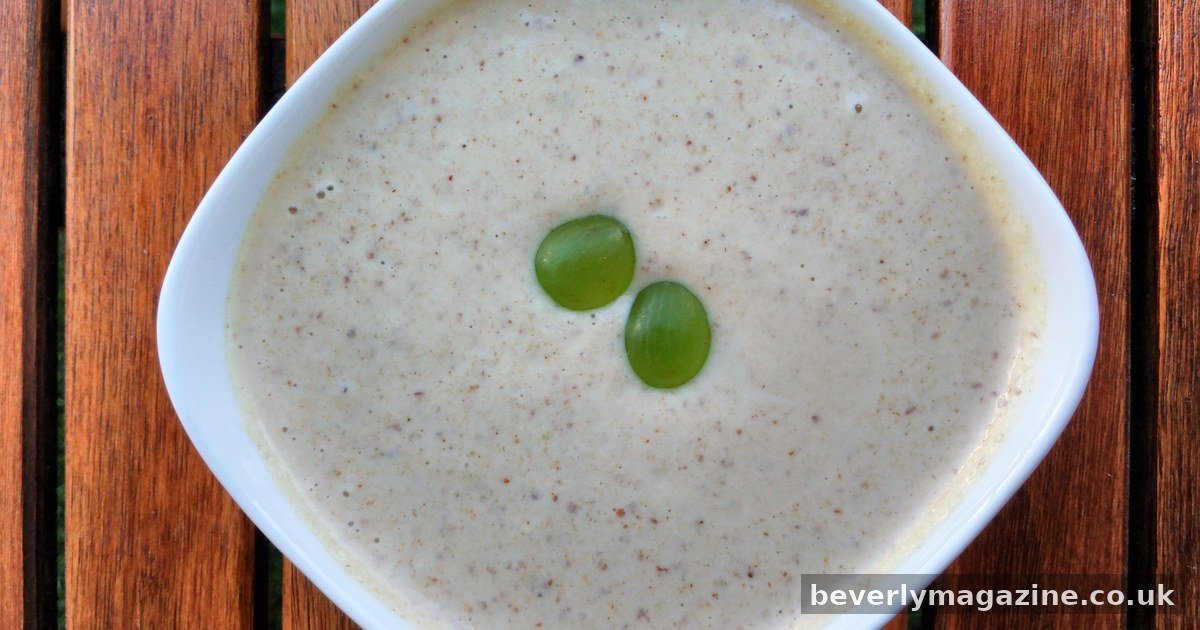
Searching for the best ajo blanco near me is how a lot of people first stumble into one of Spain’s most rewarding dishes. If you’ve never tried it, ajo blanco is a chilled, ivory-white soup from Andalusia made from almonds, bread, garlic, olive oil, and vinegar — creamy without a drop of dairy, cool on a hot day, and far more interesting than its plain appearance suggests. This guide explains exactly what the soup is, what separates a great bowl from a forgettable one, and how to track one down in your area without guessing.
Finding it can take a little persistence. Unlike gazpacho, which shows up on nearly every Spanish restaurant menu in summer, ajo blanco is rarer outside Spain — but that scarcity is exactly why it’s worth hunting down. A properly made bowl, finished with a drizzle of good olive oil and a few sweet green grapes, is one of the best cold starters you’ll ever eat.
What is ajo blanco?
Ajo blanco, which translates to “white garlic,” is a cold almond soup from Andalusia in southern Spain. It belongs to Spain’s family of chilled bread-based soups alongside gazpacho and salmorejo, and it is older than both of them. Food historians trace it back to the Moorish period of the Iberian Peninsula, between the 8th and 15th centuries — one well-known account, adapted from Claudia Roden’s The Food of Spain, dates the dish to the eighth century. Because it predates the arrival of tomatoes and peppers from the Americas in the 1500s, it contains neither: the whiteness is the whole point.
The classic recipe is built on a short list of ingredients that Andalusian farmworkers could afford: blanched almonds, day-old bread with the crusts removed, raw garlic, olive oil, vinegar (sherry vinegar is traditional), salt, and cold water. Everything is blended until smooth, and the olive oil is emulsified in slowly so the soup turns glossy and velvety — much like making a mayonnaise. The pureed almonds release their milk and, together with the bread, produce a rich body without any cream or dairy, which is why the soup is sometimes nicknamed “white gazpacho.”
How does it taste? Think of an unsweetened almond milk sharpened with raw garlic and a touch of acidity, with a silkiness you wouldn’t expect from such humble components. It is usually served very cold, in a bowl or even drunk from a glass, and finished with garnishes that matter more than you’d think: halved green grapes (the classic), a thread of extra-virgin olive oil, sometimes diced apple, toasted almond slivers, or croutons. In parts of Andalusia, people pair it with roasted potatoes; some kitchens add marinated anchovies for a salty counterpoint.
Ajo blanco is a summer dish through and through. It was designed to hydrate and feed field workers in brutal Andalusian heat, and it still appears most reliably on menus from late spring through September.
What makes a great ajo blanco?
Because the ingredient list is so short, there is nowhere to hide. Small decisions in the kitchen make an enormous difference, so when you’re judging a restaurant’s version, here’s what to look — or taste — for.
Silky, not grainy
The single biggest mark of quality is texture. A great ajo blanco is completely smooth and emulsified, almost like a thin custard. Graininess usually means the almonds weren’t blanched and ground finely enough, or the soup was blended without patience. High-quality kitchens strain the soup through a fine mesh after blending; that extra step is the difference between restaurant-grade and average.
Balance of garlic and almond
Garlic is in the name, but it should sing, not shout. A proper ajo blanco leads with almond sweetness and creaminess, with garlic arriving as a warm background note. If one clove of raw garlic makes your eyes water, the cook was heavy-handed. The best versions use young, fresh garlic — often with the green germ removed, which takes out the bitter bite — and lean on excellent almonds for the main flavour.
Real ingredients, no shortcuts
The best bowls are made from Marcona or good-quality blanched almonds, decent bread, and a respectable extra-virgin olive oil, then sharpened with sherry vinegar rather than harsh white vinegar. Some places stretch the soup with milk or cut the almond content to save money; a thin, pale, insipid soup is usually a sign of skimping on almonds. If a bowl tastes like garlic water, walk away mentally — it wasn’t built on enough almond.
Served properly chilled, with the right garnishes
Temperature is part of the dish. Ajo blanco should arrive genuinely cold — some kitchens even chill the serving bowls. The garnishes aren’t decoration: green grapes add bursts of sweetness that reset the palate between spoonfuls of garlic-almond cream, and a final drizzle of olive oil adds aroma. Ask a server what’s on top; a kitchen that bothers with thoughtful garnishes usually bothers with the soup itself.
How to find the best ajo blanco near you
You won’t find this soup everywhere, so a bit of strategy helps. These are practical steps that actually work:
- Search Spanish and Andalusian restaurants first. On Google Maps or your preferred review app, search “ajo blanco” along with your city or neighbourhood. Tapas bars and restaurants that describe themselves as Andalusian or southern Spanish are far more likely to serve it than generic “Spanish” spots.
- Call before you go. Because it’s seasonal and often a special, menus online may be outdated. A quick phone call — “Do you have ajo blanco on the menu right now?” — saves a wasted trip, and you’ll learn which places make it in-house versus never having heard of it.
- Check the season. Most kitchens serve it from late spring through early autumn. Searching in February and finding nothing doesn’t mean your city lacks it; it means you’re early. Bookmark the promising spots and check back in May or June.
- Look for it as a summer special or tasting-menu course. Some modern Spanish kitchens feature ajo blanco as a seasonal amuse-bouche or a base for other dishes (it’s sometimes used under scallops or seafood). Follow local Spanish restaurants on social media to catch seasonal menu announcements.
- Ask about the preparation. When you find a candidate, one question tells you a lot: “Is it made fresh in-house?” A confident yes — plus details like which garnishes they use — is a strong sign. Hesitation usually means it comes from a tub.
- Try Spanish grocery delis and food festivals. In cities with a Spanish community, delis and summer food festivals sometimes serve it, and the people behind the counter can point you to restaurants that do it well.
Ajo blanco FAQs
Is ajo blanco served hot or cold?
Cold — always. It’s a chilled soup designed for hot weather, and serving it warm would blunt its refreshing character. It should be refrigerated for at least a couple of hours before serving, and good restaurants serve it properly cold.
Is ajo blanco vegan?
Traditionally, yes. The classic recipe contains almonds, bread, garlic, olive oil, vinegar, salt, and water — no dairy, no eggs. Some modern variations add milk for extra richness, so if you’re vegan, it’s worth asking the kitchen how they make theirs.
How is ajo blanco different from gazpacho?
Both are cold Andalusian soups, but gazpacho is tomato-based and red, while ajo blanco is almond-based and white. Ajo blanco is older — it dates to the Moorish era, before tomatoes reached Spain — and it’s creamier and nuttier, while gazpacho is brighter and more acidic.
Why is my homemade ajo blanco grainy or grey?
Graininess almost always comes down to blending: the almonds and bread need a long, hard blitz in a high-speed blender, and straining through a fine sieve fixes most texture problems. A grey tint usually means the almonds weren’t blanched (skins darken the soup) or the garlic was old. Use blanched almonds and fresh garlic for a clean white result.
How long does ajo blanco keep in the fridge?
Stored in an airtight container, it keeps well for up to four days refrigerated. Give it a good stir before serving, since some separation is natural, and keep the garnishes separate until you’re ready to eat.
Can you make ajo blanco with other nuts?
You can experiment — some cooks blend in a portion of walnuts or pine nuts — but the dish’s identity rests on almonds. Marcona almonds, the rounder Spanish variety, give the most traditional flavour if you can find them.
More from Spain: our guides to the best pisto manchego near you and the best crema catalana near you.
The takeaway
The best ajo blanco near you is out there, but it rewards a little detective work: look for Spanish and Andalusian kitchens, time your search for the warmer months, and don’t be shy about asking how it’s made. When you find a bowl that’s silky, almond-forward, properly chilled, and finished with grapes and good olive oil, you’ll understand why this thousand-year-old soup has survived every food trend since. Order it, eat it cold, and enjoy one of Andalusia’s quietest triumphs.
