

There are few more perfect food pairings than a warm, chewy Bavarian pretzel and a proper cheese dip. In Bavaria, this combination has a name, a ritual, and a fiercely defended recipe: obatzda (also spelled obazda), the paprika-orange beer-cheese spread that is mandatory equipment in every beer garden from Munich to the Alps. This guide explains what the dish is, what makes a great version, and how to find the best pretzel with cheese dip near you.
What Is Pretzel with Cheese Dip?
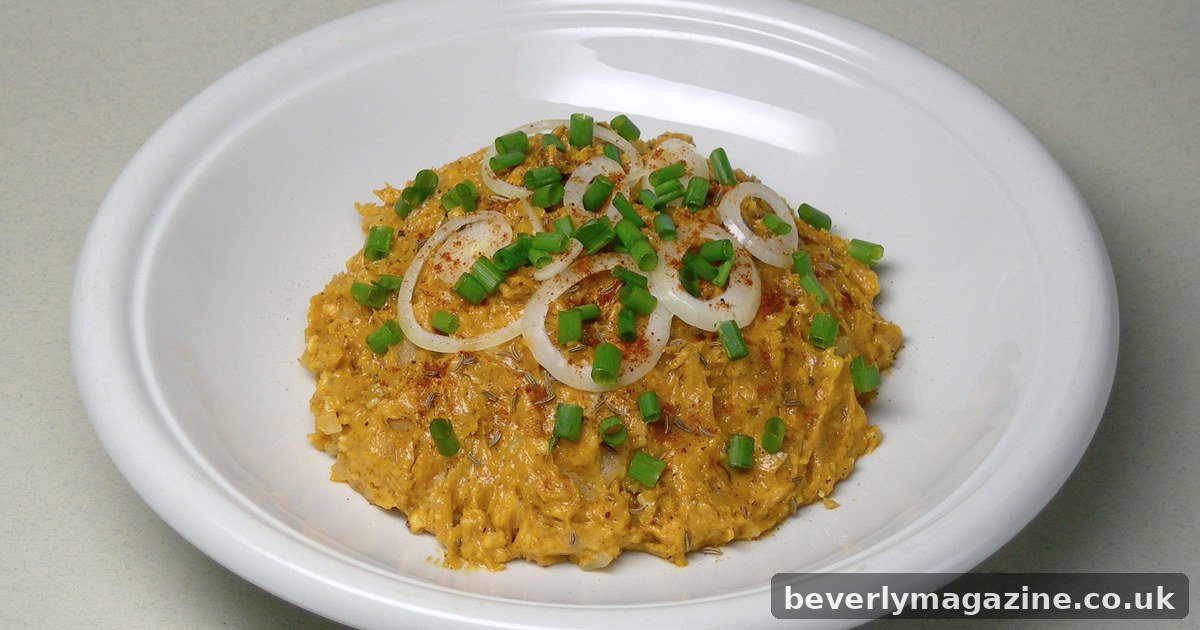
The classic German version centers on obatzda, a savory cheese spread made by mashing ripe Camembert with butter, then seasoning it with sweet paprika, finely diced raw onion, salt, pepper, and — the signature touch — a splash of beer. The name comes from the Bavarian dialect word for “mashed” or “mixed together” (obatzter), describing exactly how it is made: fork-mashed, never blended smooth, so the texture stays rustic and slightly chunky.
Obatzda was born from frugality. In the 1920s, the Bavarian innkeeper Katharina Eisenreich, who ran the Weihenstephan beer garden in Freising near Munich, began “dressing up” leftover ripe soft cheese with butter, paprika, and onions rather than throwing it away. The spread caught on, spread across Bavaria and into Austria and Switzerland (where similar versions appear), and became a fixture of Brotzeit — the Bavarian tradition of a hearty snack platter with bread, cheese, radishes, and beer.
The pretzel half of the equation is the soft Bavarian Brezn (or Brezel): a lye-dipped, chewy, mahogany-brown twisted bread with a dense crumb and a distinctive subtle tang from the alkaline bath. Torn open and spread thick with obatzda, topped with chives and onion rings, washed down with a cold lager or wheat beer — that is the complete experience.
Obatzda vs. American beer cheese
Do not confuse the two. American beer cheese (Kentucky-style, for example) is typically made with sharp cheddar, served warm, and spiked with Worcestershire and hot sauce. Obatzda is Camembert-based, served cold or at room temperature, gently spiced with paprika, and crowned with raw onion. They are different dishes from different continents that happen to share a splash of beer.
Other cheese dips you might meet
Some German restaurants serve warm cheese dips closer to a fondue-style sauce, or Spundekäs (a milder cream-cheese dip from the Hesse region). Both are legitimate, but when a menu says “pretzel with cheese dip” at a Bavarian-style place, obatzda is what you should expect — and what you should judge it against.
What Makes a Great Pretzel with Cheese Dip?
Two components, each with its own standards:
The pretzel
- Served warm or fresh-baked. A proper Brezn should arrive warm, or at least at room temperature and clearly fresh. Cold, stale, or reheated-until-rubbery pretzels are the most common failure.
- Chewy crust, soft interior. The lye dip gives the crust its deep brown color and slight chew; the inside should be soft and bready, not dense or dry.
- Coarse salt on top. Traditional and non-negotiable — it is part of the flavor architecture against the rich dip.
The obatzda
- Ripe Camembert character. The cheese should taste like Camembert — funky, mushroomy, full-flavored — mellowed by butter, not erased by it. Bland, Philadelphia-only spreads are impostors.
- Rustic, fork-mashed texture. Smooth like baby food means it was over-processed. You want a spreadable but characterful texture with visible bits.
- Paprika warmth and onion bite. Sweet paprika gives the signature orange-red color and gentle warmth; raw onion (diced within, rings on top) gives the bite. Both should be present and balanced.
- Beer as seasoning, not a gimmick. A splash of lager or wheat beer loosens the spread and adds malty depth. It should not taste boozy — the alcohol barely registers; it is a background note.
- Served at the right temperature. Cold enough to hold its shape, warm enough to spread. Ice-cold obatzda is stiff and mute; room temperature lets the cheese speak.
- Proper garnish. Sliced red onion rings, fresh chives, a dusting of paprika on top — the classic presentation, and a sign the kitchen knows the ritual.
How to Find the Best Pretzel with Cheese Dip Near You
1. Search for Bavarian and German beer halls
Try “Bavarian restaurant near me,” “German beer hall near me,” “obatzda near me,” and “pretzel with cheese dip near me.” Dedicated Bavarian beer halls and German restaurants are the natural home of this dish. Oktoberfest-season pop-ups and Christmas markets are excellent seasonal hunting grounds too.
2. Check whether the pretzels are baked in-house
The single best predictor of quality: “Do you bake your pretzels fresh?” In-house baking (or a known local bakery supplier) versus thawed frozen pretzels is the difference between transcendent and forgettable. Menus that brag about fresh-baked Brezn are usually telling the truth — it is too specific a claim to fake.
3. Ask about the obatzda
“Is your obatzda made in-house?” separates the serious kitchens from the assemblers. Follow up with what cheese they use — “Camembert” is the right answer. If they describe it only as “our cheese dip” with no further detail, temper your expectations.
4. Look for the full Brotzeit ritual
The best places do not just sell you a pretzel and a ramekin of dip. They offer the whole Brotzeit experience: obatzda with radishes, pickles, rye bread, maybe Weisswurst or cold cuts, and proper beer pairings (a Hefeweizen or Märzen). A menu that understands the ritual almost always executes the components well.
5. Judge by the photos
In review photos, look for: deep brown, glossy pretzels (not pale and sad); obatzda with a rich orange-paprika color topped with onion rings and chives (not a beige blob); generous portions. Beer garden picnic tables in the background are a very good sign.
FAQs About Pretzel with Cheese Dip
What is obatzda made of?
Traditional obatzda is ripe Camembert mashed with butter, seasoned with sweet paprika, salt, pepper, finely diced onion, and a splash of beer. Some versions add a little cream cheese for spreadability or caraway seeds. It is always served cold or at room temperature, never hot.
How do you pronounce obatzda?
Roughly “oh-BAHTS-dah.” You will also see it spelled obazda, obatzter, or o’batzten — all the same dish.
Can I make obatzda at home?
Easily — it is one of the simplest German recipes. Mash a ripe Camembert with softened butter using a fork, stir in finely diced onion, a teaspoon or two of sweet paprika, salt, pepper, and a tablespoon or two of lager. Rest it in the fridge for an hour so the flavors meld, then serve with fresh pretzels, sliced radishes, and chives on top.
Does obatzda contain alcohol?
It contains a small splash of beer, added at the end without cooking — so technically a trace of alcohol remains, though far too little to matter culinarily. If you prefer, non-alcoholic beer or a splash of milk works as a substitute.
What beer goes with pretzel and obatzda?
A Bavarian Hefeweizen (wheat beer) is the classic match — its banana-clove notes play beautifully with the paprika and onion. A malty Märzen or a crisp Helles lager works wonderfully too. Avoid aggressive IPAs; their bitterness fights the cheese.
More German comfort food: our guides to the best spätzle with cheese near you and the best rotkohl with apples near you.
The Bottom Line
The best pretzel with cheese dip near you means a fresh-baked, still-warm Brezn and a properly funky, paprika-orange obatzda made with real Camembert — served as part of the full Bavarian ritual, not as an afterthought. Find a beer hall that bakes its own pretzels and mashes its own cheese, and you will understand why Munich runs on this combination.
