

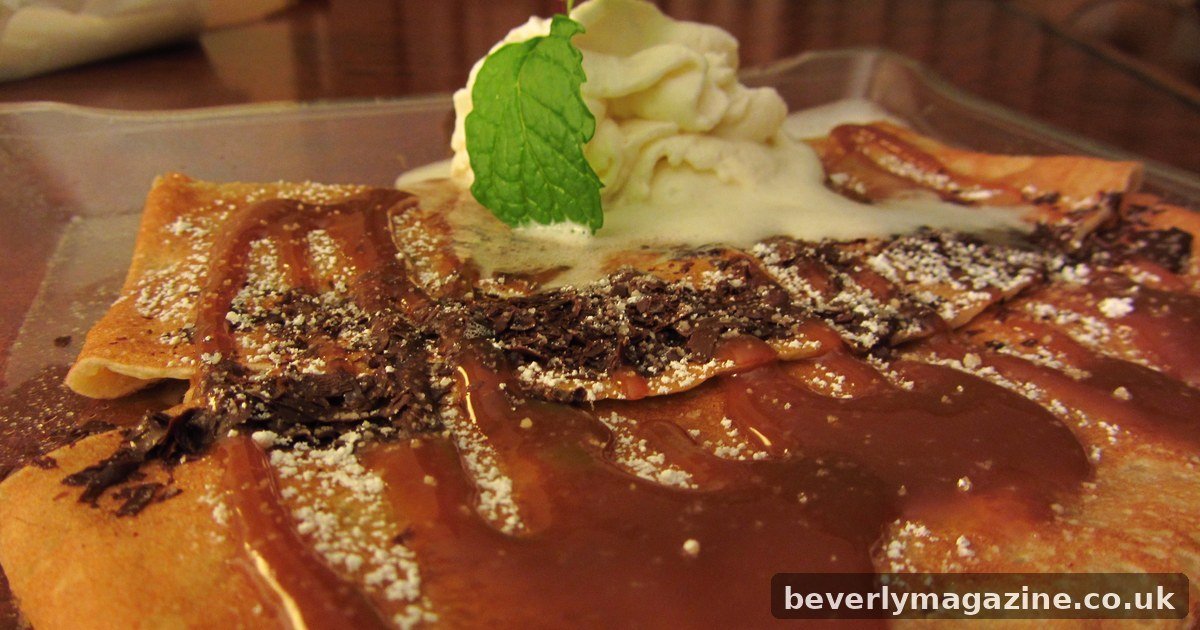
If you have ever had a proper dulce de leche pancake, you know it ruins ordinary pancakes for you. Not the thick, fluffy diner stack drowned in maple syrup — the real thing is a thin, lacy crepe, warm from the pan, rolled around a generous ribbon of dulce de leche: that slow-cooked, caramel-colored milk jam that Argentina and Uruguay treat as a national treasure. This guide explains what the dish is, what separates a great one from a forgettable one, and how to find the best dulce de leche pancakes near you without wasting a brunch on a pale imitation.
What Are Dulce de Leche Pancakes?
In Argentina and Uruguay, the word for pancake is panqueque — and it does not mean what most English speakers picture. A panqueque is a thin crepe, closer to a French crêpe than an American flapjack. The classic version, panqueques de dulce de leche, is exactly what it sounds like: warm crepes spread or filled with dulce de leche, then rolled or folded into quarters and sometimes dusted with powdered sugar.
Dulce de leche itself translates literally as “sweet from milk.” It is made by slowly heating sweetened cow’s milk for several hours until the sugars caramelize into a thick, glossy, butterscotch-flavored spread. Traditional recipes use just milk, sugar, and a pinch of baking soda (which helps the browning), sometimes with vanilla. The result tastes like caramel’s mellower cousin — milky, silky, and deeply sweet without the burnt edge of sugar caramel.
The origins of dulce de leche are genuinely disputed. Both Argentina and Uruguay claim it as their own, and a popular Argentine legend says it was discovered by accident in the early 19th century, when a maid left sweetened milk simmering on the stove and returned to find it transformed into a thick golden cream. What is not disputed is how seriously the Río de la Plata region takes it: dulce de leche pancakes appear on virtually every traditional Argentine restaurant menu, and locals eat the stuff the way other cultures eat peanut butter — on everything.
Panqueques vs. American pancakes
If a menu lists “dulce de leche pancakes” but serves you a tall stack of fluffy buttermilk pancakes with caramel sauce drizzled on top, that is not the dish. Real panqueques are thin, tender, and eggy, made from a simple batter of flour, milk, eggs, butter, sugar, and salt that rests before cooking. In Chile, the same thin pancakes are called panqueques when filled with something sweet (like manjar, the Chilean name for dulce de leche) and crepes when filled with savory ingredients. Knowing this distinction is the fastest way to spot an authentic version when you are hunting for one near you.
What Makes a Great Dulce de Leche Pancake?
Simple dishes live or die on execution. Here is what to look for:
- Thin, tender crepes — not thick pancakes. The crepe should be delicate enough to roll, with lightly browned lacy edges and a soft, almost silky bite. Thick and doughy means the kitchen missed the point.
- Real dulce de leche, not caramel sauce. This is the big one. Dulce de leche is milk-based: creamy, opaque, and mellow. Clear, amber caramel sauce made from burnt sugar is a different product entirely. A great version uses the real thing — ideally made in-house or a proper imported brand — and uses enough of it. One thin smear is a red flag.
- Served warm. Warmth loosens the dulce de leche so it turns gooey and melds with the crepe. Cold panqueques taste flat by comparison.
- Balance, not a sugar bomb. The best versions let the milky, almost toasty flavor of the dulce de leche come through rather than just hammering you with sweetness. A pinch of salt in the batter and a restrained hand with any extra toppings make all the difference.
- Thoughtful extras, kept simple. Powdered sugar, a few toasted nuts, or a scoop of vanilla ice cream are classic companions. Chocolate sauce, whipped cream towers, and other noise usually signal a dessert trying to hide mediocre basics.
Homemade vs. restaurant versions
Panqueques de dulce de leche are genuinely easy to make at home — the batter is just flour, milk, eggs, butter, sugar, and salt, rested in the fridge, then cooked thin in a buttered pan. But restaurants earn their keep with volume and technique: a short-order cook who has flipped ten thousand crepes will get you lacier edges and more even browning than most home kitchens. When you go out for them, you are paying for that practiced hand and for dulce de leche kept at exactly the right spreading consistency.
How to Find the Best Dulce de Leche Pancakes Near You
Because this is a regional specialty, the search strategy matters more than it does for generic brunch food. Here is a practical approach:
1. Search like a local, not like a tourist
Try search terms beyond the English keyword: “panqueques de dulce de leche near me,” “Argentinian restaurant near me,” “Uruguayan restaurant near me,” and “Latin bakery near me.” Argentine steakhouses (parrillas), empanada shops, and Latin bakeries are the most likely places to do this dish properly. Brunch spots that list it as a novelty special are a gamble.
2. Read the menu like a detective
Look for the word panqueques or crepes rather than “pancakes.” Menus that mention dulce de leche alongside other Argentine staples — empanadas, alfajores, mate, malbec — are a good sign the kitchen actually knows the cuisine. A lone “dulce de leche pancakes” wedged between avocado toast and chicken and waffles deserves skepticism.
3. Ask two questions before you order
First: “Are they crepe-style or fluffy pancakes?” If the answer is fluffy, adjust your expectations. Second: “Is it real dulce de leche?” Good kitchens will tell you proudly whether they make it in-house or which brand they use. Vague answers (“it’s our caramel sauce”) tell you everything.
4. Check photos, not just ratings
When browsing reviews, look at customer photos. You want to see thin rolled crepes with visible golden-brown dulce de leche, not a syrup bottle on the table. Photos also reveal portion honesty — a proper serving is usually two or three filled panqueques, not one lonely roll.
5. Time your visit
In Argentine culture, panqueques are often an afternoon merienda (tea-time snack) or dessert rather than a morning dish. Restaurants that serve them all day are convenient, but places that list them under desserts or afternoon menus tend to take them more seriously.
FAQs About Dulce de Leche Pancakes
What is dulce de leche made of?
Traditional dulce de leche is made from milk, sugar, and a small amount of baking soda, heated slowly for several hours until it thickens and turns a deep caramel color. Some versions add vanilla. It contains no cream and no burnt sugar — that is what distinguishes it from caramel sauce.
Are dulce de leche pancakes the same as crepes?
Essentially, yes. The Argentine panqueque is a thin crepe. The dish is crepes filled or spread with dulce de leche, rolled or folded, and served warm. If you like French crêpes, you will feel right at home.
Where did dulce de leche originate?
The exact origin is unknown and both Argentina and Uruguay claim it. It emerged in South America in the 19th century, with a well-known legend crediting an accidental discovery in Argentina in the early 1800s. Similar milk jams exist across Latin America under names like manjar blanco and arequipe, and France has its own version called confiture de lait.
Can I make dulce de leche pancakes at home?
Absolutely — they are one of the more forgiving restaurant dishes to recreate. Whisk together flour, milk, eggs, melted butter, sugar, and salt, rest the batter in the fridge for an hour or two, cook thin crepes in a buttered pan, and spread each warm crepe with dulce de leche (store-bought is fine) before rolling. Dust with powdered sugar and serve immediately.
What is the difference between dulce de leche and caramel?
Caramel is made by heating sugar (sometimes with cream or butter); dulce de leche is made by heating sweetened milk. Dulce de leche tastes milkier, milder, and less bitter than caramel, with a thick, spreadable texture closer to jam than sauce.
Exploring Argentine food? Also see our guides to the best carbonada criolla near you and the best ensalada rusa argentina near you.
The Bottom Line
The best dulce de leche pancakes near you will be thin, warm, generously filled with real milk-based dulce de leche, and served without fuss. Skip the brunch spots treating it as a topping trend and head for Argentine and Latin kitchens where panqueques are a point of pride. Ask the right questions, check the photos, and you will find the real thing — and once you have, there is no going back to the syrup bottle.
