

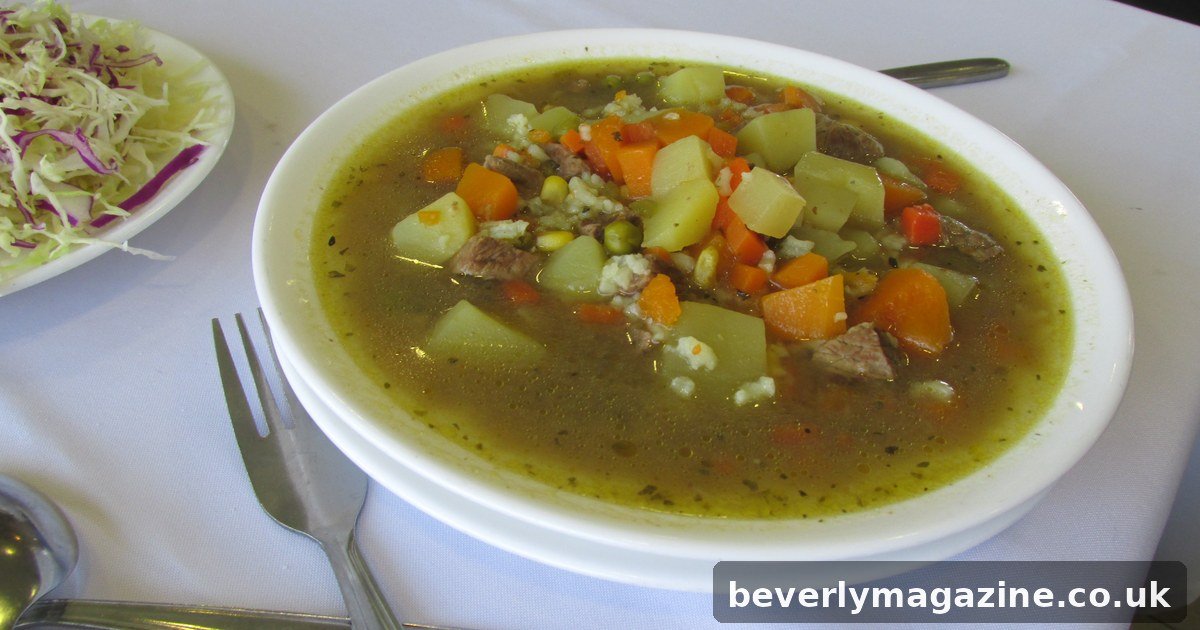
If you have ever craved a bowl of something deeply comforting, sweet, and savory all at once, the best carbonada criolla near me is a search worth taking seriously. This traditional Argentine beef stew is one of South America’s most soul-warming dishes, built on tender beef, sweet potatoes, squash, corn, and the surprising addition of dried fruit. It is the kind of meal that tastes like it simmered all afternoon — because it did.
Finding a great carbonada criolla outside Argentina takes a little know-how. In this guide, we will walk through what the dish is, what separates an outstanding version from a mediocre one, and exactly how to track down the best bowl in your area — without wasting money on disappointing imitations.
What Is Carbonada Criolla?
Carbonada criolla is a traditional Argentine stew made with chunks of beef slow-simmered with potatoes, sweet potatoes, winter squash or pumpkin, corn, tomatoes, onions, and peppers. What sets it apart from other beef stews is its signature sweet-savory character, which comes from dried fruits — typically dried apricots, peaches, or raisins — cooked right into the pot.
The dish is a staple of Argentine home cooking, especially beloved during the cooler months. Ranch families in Patagonia have long relied on it as hearty, one-pot fare, and it remains a fixture at family gatherings across the country. It is sometimes served in a particularly festive way: ladled into a hollowed-out roasted pumpkin, which doubles as both serving vessel and part of the meal.
While Argentina is the dish’s spiritual home, versions of carbonada appear across the Southern Cone. The “criolla” in the name signals its creole character — a blend of Spanish, indigenous, and immigrant influences that defines much of Argentina’s traditional cooking. Each region tweaks the formula: some cooks add rice to the pot, others include zucchini or carrots, and the choice of dried fruit varies by household. But the soul of the dish never changes: beef, root vegetables, squash, corn, and that unmistakable kiss of sweetness.
What Makes a Great Carbonada Criolla?
Not every stew calling itself carbonada criolla deserves the name. Here is what to look for when judging quality:
1. The sweet-savory balance
The dried fruit is not a garnish — it is the dish’s defining feature. A great carbonada lets the apricots or peaches melt into the broth, creating a gentle sweetness that plays against the savory beef and earthy vegetables. If the stew tastes like plain beef soup, the cook skipped the soul of the recipe. If it tastes like dessert, they overdid it. The best versions keep you guessing, bite after bite.
2. Properly browned, tender beef
Quality starts with the meat. The beef — usually chuck or another stewing cut — should be seared hard before the long simmer, which builds a deep, caramelized foundation for the broth. After an hour or more of gentle cooking, the cubes should yield easily to a spoon. Chewy, gray, or boiled-tasting beef is a sign the kitchen rushed the process.
3. Vegetables with integrity
With so many vegetables in the pot — white potatoes, sweet potatoes, squash, corn — timing matters. Each should be fully tender but still recognizable, not dissolved into mush. A well-made carbonada shows distinct pieces of golden squash, intact corn rounds, and potato cubes that hold their shape. Mushy uniformity means everything was thrown in at once and forgotten.
4. A rich, seasoned broth
The broth should be full-bodied, lightly thickened by the starches of the potatoes and squash, and seasoned with the classic Argentine trio of paprika, cumin, and oregano. It should taste layered: first savory, then sweet, with warmth from the spices. A thin, watery broth is the clearest sign of a shortcut version.
5. The finishing touches
Small details elevate a good carbonada to a great one. A sprinkle of fresh parsley, the option of crusty bread or rice on the side, and — for the full experience — service inside a roasted pumpkin all signal a kitchen that respects the tradition.
How to Find the Best Carbonada Criolla Near You
Carbonada criolla is not as widely served as empanadas or asado, so finding it takes a bit of detective work. These practical tips will help:
- Start with Argentine and Latin restaurants. Search for Argentine restaurants, parrillas (grill houses), and broader Latin American eateries in your area. Even if carbonada is not on the printed menu, many Argentine kitchens make it as a rotating special — especially in autumn and winter. It never hurts to call and ask.
- Check the menu wording carefully. Look for “carbonada criolla” specifically, not just “beef stew.” Menus that mention the dried fruit, sweet potato, or pumpkin service are promising signs of authenticity.
- Ask about the ingredients. A confident, specific answer is a good sign. Ask whether the stew includes dried apricots or peaches and whether it is slow-cooked. Vague answers suggest the dish is an afterthought.
- Read reviews with a filter. Look for reviews that mention the stew’s sweetness, tenderness of the beef, or the pumpkin presentation — these details indicate reviewers actually tasted a proper version. Be wary of places where every dish gets generic five-star praise with no specifics.
- Try Argentine bakeries and empanada shops. Smaller Argentine-owned bakeries, delis, and empanada counters sometimes offer homemade stews and daily specials that never make it onto delivery apps. These humble spots often serve the most authentic versions.
- Look for community and cultural events. Argentine cultural associations, food festivals, and Latin markets occasionally feature home-style dishes like carbonada. Vendors at these events cook for their own community, which usually means no compromises.
- Consider the season. Because it is a cold-weather dish, your odds of finding carbonada criolla on a menu rise significantly from autumn through early spring. If your first search comes up empty in summer, try again when temperatures drop.
Frequently Asked Questions
What is carbonada criolla made of?
The classic version combines beef chuck with onions, bell peppers, garlic, tomatoes, white potatoes, sweet potatoes, winter squash or pumpkin, corn, and dried fruit such as apricots, peaches, or raisins. It is seasoned with paprika, cumin, oregano, salt, and pepper, and simmered in beef broth until everything is tender.
Is carbonada criolla spicy?
No — traditional carbonada criolla is not a spicy dish. Its flavor profile is sweet and savory rather than hot. Some modern cooks add a pinch of hot paprika or chili, but heat is not part of the classic recipe. If you prefer spice, it is easy to add at the table.
What is the difference between carbonada criolla and locro?
Both are beloved Argentine stews, but they differ in key ingredients. Locro is built on hominy (dried white corn kernels), beans, and squash, giving it a thicker, porridge-like body, and it is Argentina’s traditional dish for national holidays like May 25th. Carbonada criolla uses fresh corn and a wider mix of vegetables plus dried fruit, with a distinctly sweet-savory character.
Is carbonada criolla gluten-free?
The traditional recipe is naturally gluten-free, as it contains no wheat, barley, or rye. However, restaurant versions may use broths or thickeners that contain gluten, so anyone with celiac disease or a serious intolerance should confirm with the kitchen before ordering.
Can carbonada criolla be made vegetarian?
Yes. The stew adapts well to a vegetarian version: simply omit the beef, use a rich vegetable broth, and keep all the vegetables and dried fruit. Some cooks add chickpeas or white beans for protein. The sweet-savory character that defines the dish survives the swap beautifully.
Why is carbonada criolla sometimes served in a pumpkin?
Serving the stew inside a hollowed-out roasted pumpkin is a traditional festive presentation. The pumpkin is roasted until tender, filled with the hot stew, and brought to the table whole. Diners scoop out the soft pumpkin flesh along with the stew. It is as much about celebration as flavor — and it makes for a memorable meal.
More Argentine classics: our guides to the best dulce de leche pancakes near you and the best ensalada rusa argentina near you.
The Bottom Line
The best carbonada criolla near me is the one that honors the dish’s sweet-savory soul: well-browned beef, distinct tender vegetables, and dried fruit melted into a rich, spiced broth. Seek out Argentine restaurants and Latin kitchens, ask the right questions about ingredients, and do not settle for a generic beef stew wearing the name. When you find the real thing — ideally on a cold evening, ideally served in a pumpkin — you will understand why this humble stew has fed Argentine families for generations.
